



Written by
Lead Content Writer
Everything you need to know about car insurance in India: types, IRDAI-regulated prices, claims, and how to buy or renew online in minutes. Third-party cover is mandatory by law. Comprehensive cover protects your car too.
Written by
Lead Content Writer

Reviewed by
Head - Tech Product & Digital Business
Built with AI for faster and easier claims

IRDAI licenced insurer

Dedicated Claims Specialist

Cashless repairs at our garages
Car insurance is a contract between you and an insurer that covers damage to your car and your legal liability to others on Indian roads. Third-Party car insurance is mandatory by law. A Comprehensive car insurance plan goes beyond that by covering damage to your own car caused by accidents, theft, fire, natural calamities, and more. You pay a fixed yearly premium, and your insurer pays for eligible losses if your car is damaged or if you injure someone or damage their property while driving. In effect, it swaps a large, unpredictable bill for a small, predictable one. A car insurance plan has two sides. One side covers your liability to other people: the injury, death, or property damage you could cause to others on the road. The other side covers your own car against accidents, theft, fire, natural calamities and more. The plans on the market differ mainly in how much of each side they include. The financial case is simple. A single serious accident can run to lakhs in repairs, and far more if someone is badly hurt, all payable from your own pocket if you are uninsured. Car insurance exists so that one bad day on the road does not turn into a lasting financial setback.
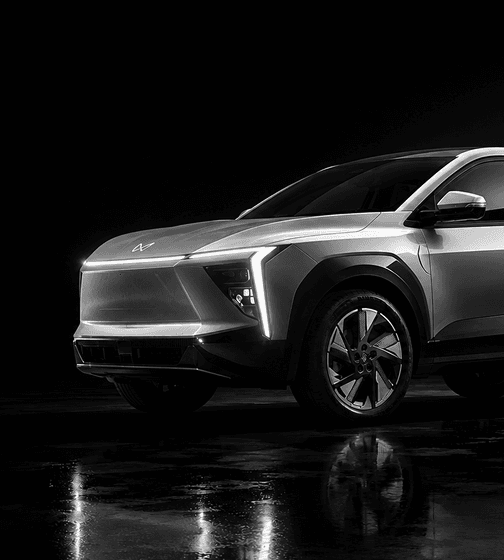
The words you will read on this page explained in plain language. Worth a quick read before diving into the details.
The legal-minimum cover. Pays for injury or damage you cause to others, not to your own car.
Third-Party cover plus damage to your own car from accidents, theft, fire, natural calamities, and more.
The part of your car insurance plan that pays for damage to your own car, as opposed to someone else’s car or property.
The part of a claim you pay yourself. Example: on a ₹20,000 repair with a ₹2,000 deductible, you pay ₹2,000 and the insurer will pay the remaining ₹18,000.
Insured Declared Value is the most your insurer will pay if your car is stolen or damaged beyond repair.
The yearly amount you pay to keep your car insured and your insurance policy active.
A renewal discount you earn for each claim-free year, up to 50%. This discount is only applicable on your Own Damage (OD) premium.
A Kiwi industry-first optional cover that rewards each claim-free year on a higher scale, building up to 90% discount, and does not reset to zero after a claim.
The insurer pays the cashless partner garage directly, so you pay nothing out of your pocket.
Kiwi pays your claim amount into your bank account before you pay the garage, at any garage you choose.
Your city’s pricing category. Zone A is the 8 largest metros; Zone B is the rest of India.
A change added to your policy, such as updating your name or address, adding a CNG-kit cover, etc.
At a minimum, the law requires a Third-Party car insurance plan. In practice, most owners need a Comprehensive car insurance plan with the Insured Declared Value (IDV) set to the car’s market value, plus a few optional covers chosen for the car’s age and where it is driven. A Personal Accident cover of up to ₹15 lakhs for the owner-driver is compulsory.
Third-Party car insurance is mandatory because a single crash can cause unlimited financial harm to someone else, and the law guarantees that victims are compensated even when the at-fault driver cannot pay. But unlike comprehensive insurance, Third-Party cover does not have a fixed Insured Declared Value (IDV) or an upper limit on the insurer’s liability for third-party injury or death claims. The Motor Vehicles Act, 1988 made it compulsory, and claims for injury or death are decided by Motor Accident Claims Tribunals.
Driving without at least a valid Third-Party plan is an offence under the Motor Vehicles Act. The penalties are:
There are 3 types of car insurance in India: Third Party, Own Damage, and Comprehensive. Third Party is the legal minimum, Own Damage covers only your own car, and Comprehensive combines both.
Covers injury or damage you cause to other people, their vehicle, or their property. The legal minimum.
Covers only your own vehicle. Pair with with an active Third-Party plan for complete protection for your car.
Covers your own vehicle plus Third-Party liability. Recommended for complete protection on the road.
Electric cars use the same three plans, priced a little differently. See the electric car insurance section for how EV pricing and cover work.
A Comprehensive or Own Damage plan can be extended with optional covers such as Zero Depreciation, Engine Secure, and Return to Invoice, and with standard endorsements for things like a CNG kit. See all optional covers.
Our take: if your car is newer than about 7 years or worth protecting, choose Comprehensive. Own Damage works only if you already hold a valid Third-Party plan. Third-Party alone is the bare legal minimum.
A Comprehensive car insurance plan covers damage to your own car caused by accidents, theft, fire, riots, and natural calamities such as floods and storms. It also includes Third-Party cover for injury or damage caused to others. In comparison, a Third-Party plan only covers injury or damage you cause to others.

Accidents and collisions
Theft and burglary
Fire, self-ignition, and explosion
Floods, earthquakes, and storms
Riots, vandalism, and malicious acts
Damage caused by animals and rats
Third-Party injury and property damage

Regular wear and tear, and ageing
Driving without a valid licence
Driving under the influence
Mechanical or electrical breakdown
Engine damage from water (unless you add Engine Secure cover)
Depreciation on replaced parts (unless you add Zero Depreciation)
Damage outside India

The battery is usually the costliest part of an EV, so a Comprehensive car insurance plan is the most useful starting point. EV cover for the battery, the charging cable or wall charger, and water damage in flood-prone cities is not always included by default. You can add these through optional covers, explained in full on the optional covers page.
EV Charger Secure
EV Battery Secure
EV Charger Liability Cover
EV Charger Home Secure
IDV (Insured Declared Value) is the most your insurer will pay if your car is stolen or damaged to an extent that it is considered a total loss. It is set close to your car's current market value, and it falls as the car ages.
A higher IDV gives you a bigger payout if the worst happens, but it also raises your premium a little. Set it close to your car's real market value, so you are neither overpaying nor underprotected.

Higher IDV increases premium

Pricier parts cost more to insure

Metro zones cost more

Older cars have a lower IDV

Sets the Third-Party price

Customised protection for your car

Claim-free years reduce price

A higher deductible lowers premium
Unlike some countries, Indian car insurance does not price on traffic violations or a points system. What matters is your claims history, captured through your No Claim Bonus: claim-free years lower your premium, and claims raise it. So your record matters through claims, not challans.
The own-damage premium is set by zone. Zone A covers the 8 largest metros - Ahmedabad, Bangalore, Chennai, Hyderabad, Kolkata, Mumbai, New Delhi, and Pune - and carries slightly higher rates. The rest of India falls in Zone B, which is a little cheaper, owing to lower traffic density and claim costs.
A car insurance premium has two parts. The Third-Party part is fixed by IRDAI and is the same across every insurer. The Own Damage part is set by the insurer, based mainly on your car's IDV, with the rest depending on your city, car age, engine size, and the covers you choose.
As a rough guide, the own-damage base premium works out to about 3% to 3.7% of your car's IDV before any discount, with metro cities at the higher end. Your No Claim Bonus and other discounts then bring the final figure down.
In plain terms: Comprehensive premium = Own Damage minus (No Claim Bonus + discounts) + Third-Party.
These rates are set by IRDAI and are identical across every insurer. Only the own-damage part of your premium changes from one insurer to the next.
Note - An 18% GST applies on top of these rates. New cars are issued a 3-year Third-Party plan at purchase. Electric cars are priced on battery power instead, shown in the EV section. Rates are subject to revision by IRDAI.
Comprehensive car insurance typically costs more as your car's value and engine size rise. A small hatchback usually sits at the lower end, while a large SUV or luxury car costs several times more, mostly because it is worth more to repair or replace.
These are indicative ranges for a Comprehensive car insurance plan before your No Claim Bonus and discounts. Your actual price depends on the car's IDV, your city, its age, and the covers you choose.
Getting the best value from your car insurance comes down to two things - picking the right plan and the other decisions you make related to your car insurance. Ways to lower your premium
Beyond the well-known optional covers, there are standard endorsements, often called IMT endorsements, that add or modify cover for a small premium. Common ones extend cover to a fitted CNG or LPG kit, or to electrical and electronic accessories like a music system that a standard plan would not fully cover. They are a low-cost way to plug specific gaps.
Car insurance plans starting at ₹2094*
More savings every year with Super NCB
Cashless claims at our garages
Claims specialist to handle your entire claim
Optional covers can also be added to Own Damage plans, not just Comprehensive insurance plans. Pick only what you need. Kiwi covers the industry-standard optional covers, plus Kiwi industry-first covers like Super NCB.
Protects your No Claim Bonus discount even after a claim. Explained in full in the NCB section. It is ideal for safe drivers who want to keep their discount. This optional cover is only available with Kiwi car insurance.
Pays the full cost of replaced parts, with no cut for age or wear. On a ₹50,000 repair, that can save you ₹8,000 to ₹10,000. It is recommended for new and premium cars under 5 years.
Engine damage from water getting into the engine, common in floods, is usually taken care of with an Engine Secure cover, which a standard plan leaves out. Engine work can run from ₹30,000 to over ₹2 lakhs. It is a must-have for cars in flood-prone or low-lying cities.
Pays back the full invoice value, including registration and road tax, if your car is stolen or damaged permanently. The gap from IDV can be ₹50,000 to ₹1.5 lakhs on a newer car. It is ideal for owners of new or high-value cars.
Covers the cost to replace or reprogram lost, stolen, or damaged keys. A smart key can cost ₹15,000 or more. A useful cover for cars with smart or electronic keys.
Covers tyre cuts, bursts, and structural damage treated as wear and tear otherwise. A single tyre can cost ₹3,000 to ₹12,000. It is usually chosen by frequent highway and rough-road drivers.
Covers the small items a claim usually leaves out, such as nuts, bolts, engine oil, and AC gas. These can add ₹500 to ₹5,000 to a bill. For anyone who wants a no-surprises claim
24-hour help for breakdowns, towing, fuel, flat tyres, and lockouts. A tow alone can cost ₹1,500 to ₹5,000. Using it does not affect your NCB. It is ideal for long-distance and city drivers alike.
Pays up to ₹15 lakhs if the owner-driver is disabled or dies in an accident. Extendable to co-passengers. It is a must-have for every owner-driver, and families who travel together.
Lets you repair eligible parts instead of replacing them, helping protect your No Claim Bonus. Covers items like glass, fibre, and plastic parts. Drivers who want to preserve their NCB after minor damage usually get this optional cover.
Get ₹2,500 every time you repair your car at a preferred network garage after registering a claim through the app. For drivers who use network garages for repairs.
Covers repairs if the wrong fuel is accidentally filled into your car. Draining the tank and fixing engine damage can cost thousands. For anyone who wants protection against costly fuelling mistakes
Covers hospitalisation expenses after an accident, including inpatient treatment, day care procedures, ambulance, and post-hospitalisation costs. For families who want broader medical protection after an accident
Pays a daily cash benefit if you or your passengers are hospitalised after an accident, helping cover everyday expenses during recovery. For families looking for extra financial support after an accident
Covers outpatient medical expenses for you and your passengers after an accident, even when hospital admission isn’t needed For drivers who want cover for minor accident-related treatment
Protects against cyber risks linked to connected cars, including certain digital threats and related liabilities. For owners of connected or tech-enabled vehicles
Covers legal assistance and related expenses if you need support after an accident. For drivers who want legal support when dealing with accident-related issues
Pays for repairing or replacing damaged alloy rims caused by accidental impact. Alloy wheel repairs can be expensive. For cars with alloy wheels or drivers on rough roads
Restores your car’s protective coating after accident repairs, helping maintain its finish and long-term protection. For owners who want to keep their car looking newer for longer
Covers your home charger against damage or theft and reimburses public charging costs while it’s being repaired or replaced. For electric vehicle owners with a home charger
Covers damage to your home caused by a fire originating from your EV charger. For EV owners who charge their car at home
Covers third-party injury or property damage caused by your EV charger. For EV owners who want added liability protection
Covers sudden damage to your EV battery, motor, and hybrid electric system. These components can be among the most expensive. For electric and hybrid vehicle owners
₹0 optional covers with Kiwi car insurance
Super NCB
InstaCash
Flexi Repair
For example: Here’s what you would pay for a ₹50,000 repair after an accident on a 3-year-old car with a ₹2,000 deductible.
Your insurer cuts depreciation on plastic, rubber, and metal parts, so a share of the bill comes out of your pocket, on top of your deductible of ₹2,000.
Replaced parts are paid in full, with no depreciation cut. The cover adds a little to your premium but saves far more at claim time.
This is an illustrative example. Your actual amounts depend on your car, the damage, and your car insurance plan.
No Claim Bonus (NCB) is a discount you earn for every claim-free year. It starts at 20% after your first year and rises to a maximum of 50% after five straight claim-free years. It is applied only to the own-damage part of your renewal premium.
Most Comprehensive policies do not cap the number of claims in a year. However, some optional covers such as Zero Depreciation, may limit how many times you can use that specific cover, so it is worth checking the wordings.
Each claim usually resets your No Claim Bonus at renewal, which removes a discount worth up to 50%. Frequent claims can also raise your renewal premium. For small repairs, it can be cheaper to pay yourself and protect the bonus.
Your No Claim Bonus keeps building for up to five claim-free years, where it reaches its maximum of 50%. It then stays at 50% for as long as you do not claim. The bonus belongs to you, not the car, so you can carry it over when you switch insurers or buy a new car.
A standard No Claim Bonus caps at 50%. Super NCB rewards every claim-free year on a higher scale, climbing to 90% by your 6th year. Same safe driving, a much bigger discount on the own-damage part of your renewal premium.
What it is really worth: after 6 claim-free years on a ₹12,000 own-damage premium, a standard 50% NCB brings it down to ₹6,000. On Super NCB’s 90%, the same premium drops to ₹1,200, a saving of ₹4,800 in that year alone, for the same claim-free record.
Get up to 40% extra bonus compared to standard NCB
You can buy car insurance online directly from an insurer, through a comparison site, or from an agent. Buying online directly is usually the fastest and simplest, with the policy issued in minutes.
If it is a new car, just pick your make and model
Compare Third-Party, Own Damage, and Comprehensive. Then choose optional covers if eligible.
Pay by UPI, card, or net banking, with no paperwork
Your policy lands in your inbox in minutes
To buy, you need your car's registration certificate (RC), your previous policy details if you have one, and KYC such as PAN or Aadhaar. Vehicle inspection is needed if there's an uninsured period between the expiry of your previous policy and the start of the current policy. For a brand-new car, the make, model, and variant are enough to start, since the registration number may not be issued yet. A new car is issued a 3-year Third-Party plan at purchase, usually with a 1-year Own Damage plan.
We pull up your existing plan details
Add or drop optional covers for the year ahead
Renew on time to keep your discount intact
Your renewed policy reaches you instantly
At renewal you usually just confirm your car number and details; you do not need to submit documents again if your cover has been continuous. The exception is a coverage gap. If your plan has already expired, the insurer may ask for a quick self-inspection through the app, or a brief physical inspection, before cover restarts, so it is best to renew before the expiry date.
On renewal, most owners take a 1-year plan, though longer Own Damage terms can be available. Buying for a longer term locks your price and avoids the risk of forgetting to renew.
Your cover usually starts straight away. When you buy online without a gap in cover, your policy is active from the start date on the document, which is usually issued within minutes of payment. The policy itself states the exact date and time from which you are covered.
For a standard renewal with no gap, there is no manual approval; the policy is issued straight away. Approval steps appear only in specific cases, such as renewing after a lapse or insuring an older car, where a quick self-inspection or photos of the car may be needed before cover starts.
You receive your policy document, the contract between you and the insurer. It includes:
Reading the policy schedule tells you exactly what you are and are not covered for.
Your policy is emailed to you as a PDF and saved in your account or app, so you can download it any time. A digital copy stored in DigiLocker or the mParivahan app is accepted by traffic authorities, so you do not need to carry a printout.
Each route works, but they differ in price, support, and post-purchase service.
Buy from Kiwi Insurance in minutes, at one price, with no middleman. High on value for money.
Compare many insurers in one place. Useful for a quick scan, but claims still go back to the insurer you pick.
In-person help if you prefer it, though it can be slower and often runs offline.
To make a claim, you report the incident to your insurer, who assesses the damage and settles the repair directly with a cashless partner garage. If you choose a non-network garage, you pay for the repairs first and are reimbursed after submitting the required documents. The difference between insurers is not the steps, it is how much of the work lands on you.
Report your claim and wait for the claims team to get in touch with you
Coordinate a time for the damage to be assessed
Drop the car and follow up on repairs
Your go-to garage may not prefer cashless repairs
In cases where you’ve paid the garage out of your pocket
Every handover is a number you call, a story you repeat, and a queue you wait in. None of it is hard, but all of it is yours to manage, at the exact moment you would rather not.
You get one dedicated Claims Specialist who takes your claim from start to finish. They review the claim you submitted, brief the surveyor, coordinate with a cashless partner garage or guide you through a Pay First claim at a non-network garage, handle the paperwork, and keep you updated. The only thing you do is hand over the car and collect it.
Add details of the incident and what you would like to claim for
Your dedicated Claims Specialist briefs the surveyor, coordinates the garage, tracks the repair, helps with the claim settlement and tells you when your vehicle is ready.
Always available for a direct call
One dedicated specialist per claim
No call centres, no reference-number runaround.
A straightforward cashless claim is usually settled within a few working days, once the damage is assessed and the repair is approved. Reimbursement claims and those needing a survey or police report can take longer, depending on the documents and the extent of the damage.
A deductible is the part of each claim you pay yourself. There is a compulsory deductible set by the policy, ₹1,000 for cars up to 1500cc and ₹2,000 above 1500cc, plus any voluntary deductible you chose to lower your premium. Without Zero Depreciation, you also bear the depreciation on replaced parts.
Add Zero Depreciation to remove the depreciation cut, and Consumables cover for the small items a claim leaves out. Keep your voluntary deductible modest if you would rather pay less at claim time. For very small repairs, paying out of pocket can be cheaper once you account for your lost No Claim Bonus.
Once the repair is done and the claim is settled, your file is closed. The main after-effect is on your renewal: a claim usually resets your No Claim Bonus to zero. Kiwi Insurance Super NCB is the exception: it protects the discount, so a single claim does not wipe it out.
Use a cashless partner garage for a cashless repair, or pick any garage you like and let PayFirst put the claim amount in your account first.
Take your car to a Kiwi cashless partner garage and we settle the bill directly, so you pay nothing upfront beyond your deductible.
Choose any garage, even one outside our network. We pay the claim amount straight to your bank account before you pay the garage, so you never pay for repairs yourself or wait for a reimbursement.
Claim on the Kiwi app, or through a quick call. Registered instantly
Pick a non-cashless partner garage if you want. No compromises
Our team reviews the damage and confirms what your plan covers
The amount lands in your bank account before you pay the garage and collect your car
One dedicated person manages your claim every step of the way, from the time you file your claim to your car being repaired and back on the road.
A Kiwi industry-first optional cover that lifts your No Claim Bonus beyond the usual 50%, all the way up to 90%. Even better, a claim only drops your Super NCB by one slab instead of resetting it to zero.
Leave your car at a Kiwi cashless partner garage and the bill is settled directly, with only your deductible to pay. We partner with trusted, high-quality garages for quick and reliable repairs.
Kiwi pays the claim settlement amount into your account before you pay the garage, so the cost of a repair never comes out of your pocket first.
Vir K, Mumbai
Parth M, Gujarat
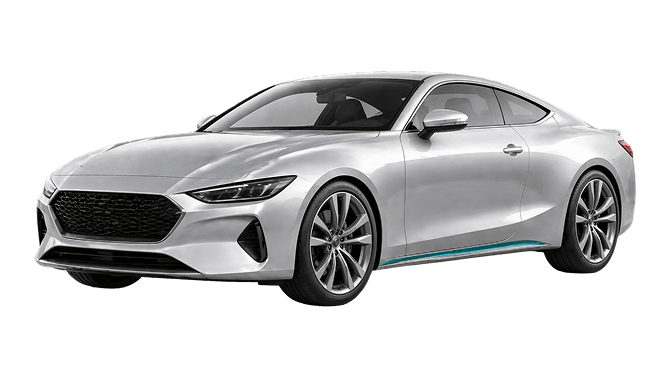
Keep your new car protected with a Comprehensive plan from your very first drive.

High-value cars deserve high-quality cover, with comprehensive, all-round protection.
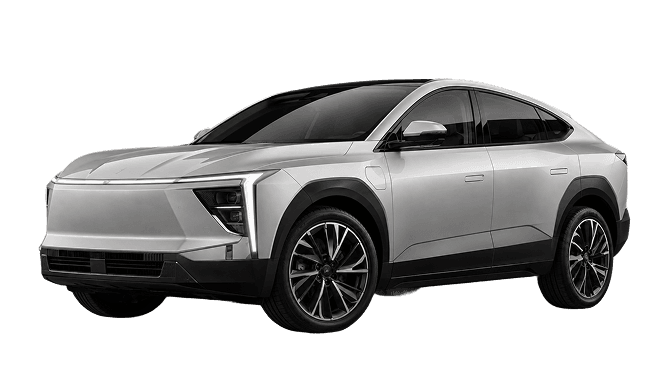
Designed for electric vehicles, our cover helps you stay protected with smooth and simple claims process.
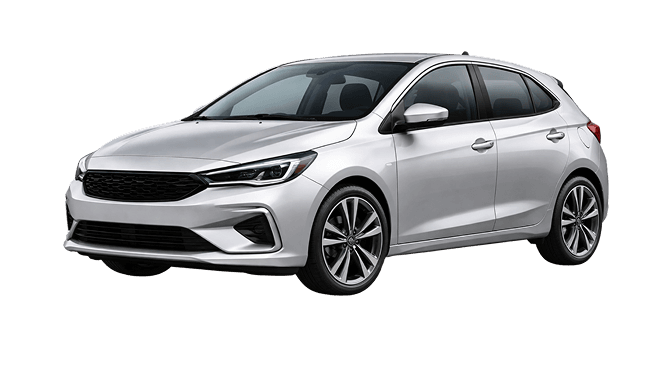
Get flexible car insurance that fits your budget without compromising on essential protection.
Yes. At a minimum, every vehicle on an Indian road must hold a valid Third-Party car insurance plan under the Motor Vehicles Act, 1988. Driving without it is a punishable offence with fines starting at ₹2,000 for a first offence and ₹4,000 for a repeat offence, with possible imprisonment. The law makes it compulsory to ensure that victims of road accidents are always compensated, even when the at-fault driver cannot pay.